
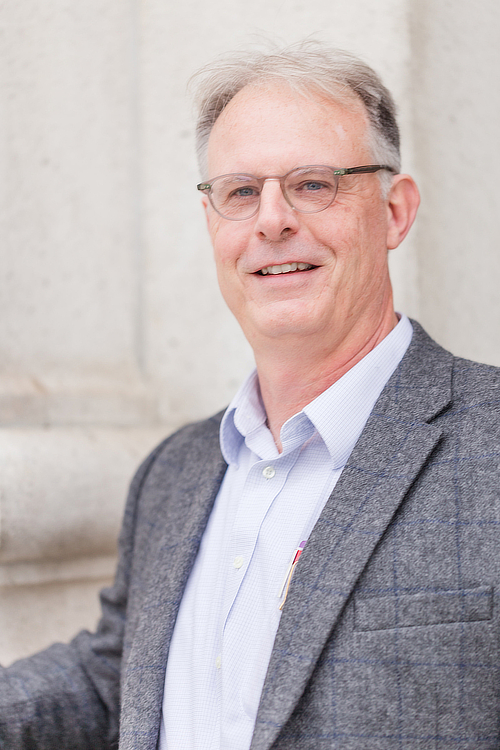
Tell us how you first became interested in creating art.
I make the joke that, “My education started the day after I graduated from University”, but it was the day after I received my B. Arch degree that I went to a 2-week rendering seminar in Manhattan, Kansas. At the time, all architectural drawings were hand-drawn perspectives using watercolor, markers, graphite, etc. to render the materials and values. The singular, intensive, immersive nature of the workshop and the pleasant surprise of reasonable progress sparked an interest in art. Years later, when I was teaching design studio at an Architectural program in Washington, DC.
I was told that I would be teaching Design Communications, the first class for freshmen coming into the Architecture program. The course was focused on drafting, sketching, rendering, public speaking—all the various ways to explain a design idea to someone else. I realized I would have to ‘up my game’ to be able to deliver the curriculum, so the impetus to improve my skills came not from desire, but fear. That summer break was used to fill up sketchbooks before the start of the fall semester.
I’ve discovered that the majority of them serve to bind myself to the beautiful—to make the beautiful personally meaningful
Which artists or art movements have influenced you?
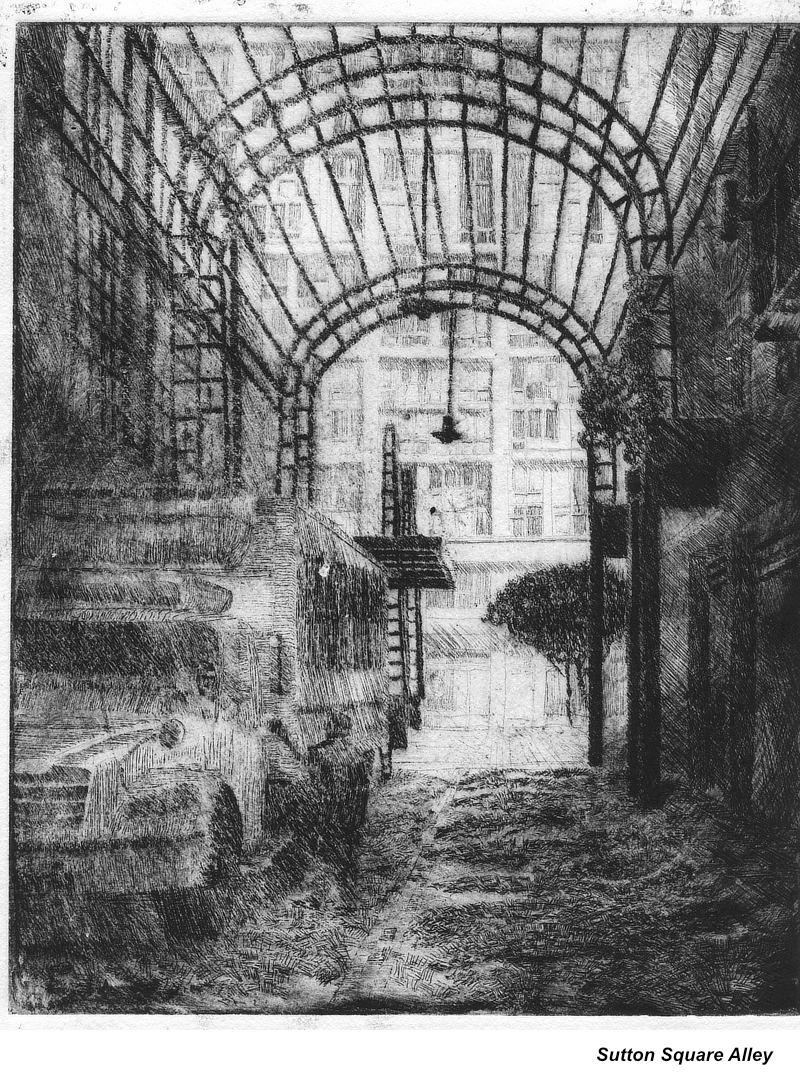
Like many, I am strongly attracted to the Impressionists. In their work I feel I am able to recognize the emotions that drew the artist to paint the scene. I live only a twenty-minute walk from the National Gallery in Washington, DC and visit there quite frequently and will rarely walk out of the museum without a brief visit to the Impressionist galleries. I am also very fond of the precisionists: Demuth, Sheeler, Hopper and the sublime architectural renderings of Hugh Ferriss. It is the same era and subjects that have informed my printmaking with printers such as Martin Lewis and Armin Landeck.
How would you describe your artistic style? What inspires you?
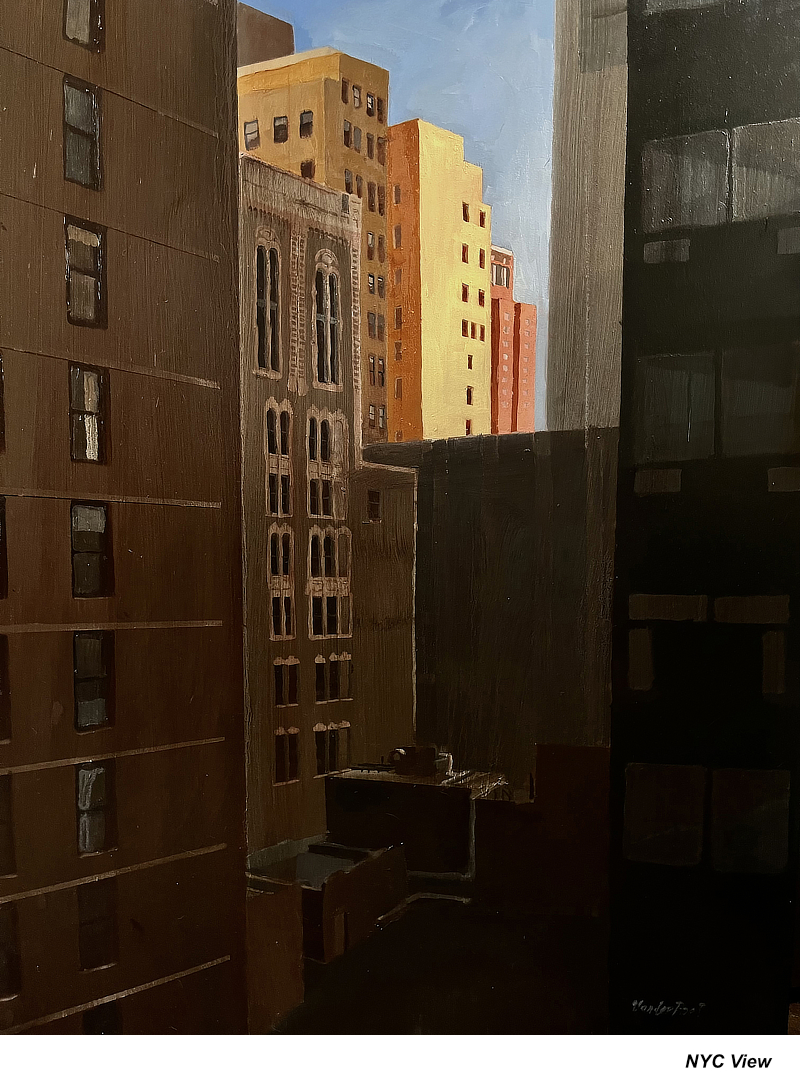
My background in Architecture has naturally focused my interest on the built environment. I’m a man of many hobbies, and I’ve discovered that the majority of them serve to bind myself to the beautiful—to make the beautiful personally meaningful. In the movie Amelie, the title character appreciates sinking her fingers into a sack of lentils—that is the best description of what I am trying to glean from my art. Sailing, celestial navigation, painting, printmaking, photography, all allow me to immerse myself in the beautiful—they are my lentils.
I view all the arts as another way of expressing what is important or meaningful or damning about a community
What is your favorite art accident? Did it change your perspective?
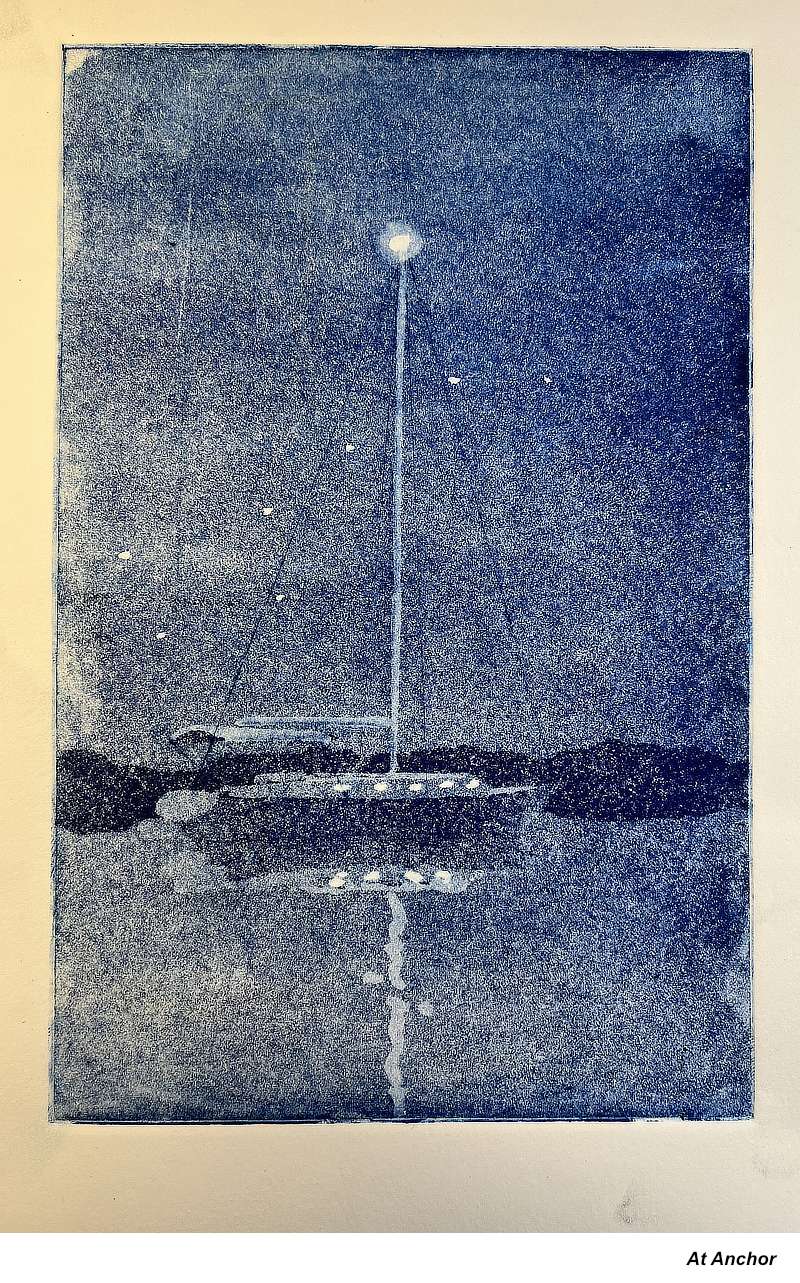
A DC University at which I taught held classes on Wednesday before Thanksgiving. Knowing that many students would be absent and those that attended might be distracted by upcoming travel, I would have a monotype workshop rather than an architectural studio. I had taken a monotype class years ago and found that having to work with viscous inks and inexact tools that included Q-tips, fingers and the back end of a paintbrush would make a direct realization of what I imagined impossible. I discovered, however, that what I intended was often less interesting than what would appear by accident. I would tell my students that the monotypes were a conversation with the materials at hand and they should interrogate their work and accept the suggestions that the difficult materials provided.
This is the same reason that I switched from teaching colored pencils to watercolor. The watercolor has the power to suggest rather than simply transcribe. In the practice of architecture, the early sketches were termed ‘soft pencil’ drawings for the same reason that an inexact material provides feedback that a more exacting medium might not provide. It is for this same reason that I shy away from working on the computer in the early stages of design. The computer does precisely what is asked and never has any alternative opinions; that’s what the soft pencil can provide.
What is the most important thing about art to you?
In his book, Notre Dame de Paris (the Hunchback of Notre Dame), Victor Hugo had written a chapter entitled, “Ceci Tuera Cela” (This Will Kill That) describing how the printing press would dethrone architecture as the predominant signpost of a civilization, showing the world what was most important to that society. I view all the arts as another way of expressing what is important or meaningful or damning about a community. For me, I am trying to share what I see, what moves me. I rarely include text, as my only goal is to mutely say, “see this.”.
How do you promote your art?
I enter competitions from time to time. I intend to include artwork on my architecture website to promote a more holistic view of the arts.
What are your plans? What are you working on now?
As I slope towards retirement, my plan is to shift from architectural practice to art production. I am currently searching for a studio space that would allow for larger pieces and also be linked to an artistic community for sharing ideas.